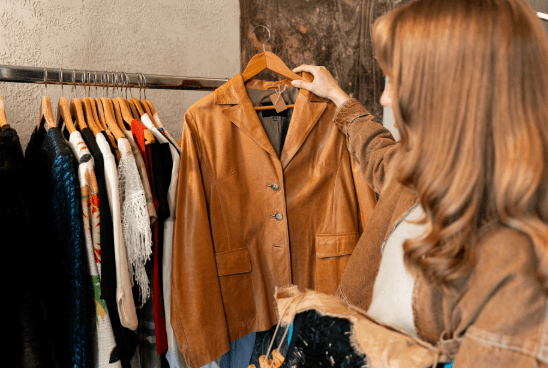

Daily life offers a steady palette for style. Moments—commutes, errands, cafés—become prompts for fresh pairings and textures, not rushed costumes. A lean capsule emerges from recurring cues: fabrics that move, silhouettes that stay put, colors that shift mood. The aim is efficiency with expression, a wardrobe that adapts to routine without losing voice. The next question: how do ordinary errands spark a coherent, wearable narrative that still feels personal?
How Daily Moments Spark Fresh Outfit Ideas
Daily moments supply unexpected prompts for outfit ideas, turning ordinary routines into a runway of possibilities. In this brisk analysis, daily triggers become design cues, guiding choices with efficiency and intent. A thoughtful observer notes how comfy fabrics comfort the movement while color stories shift mood and signal personality. The result is a liberated, practical approach to spontaneous style exploration.
Build a Capsule Wardrobe From Everyday Encounters
A capsule wardrobe can emerge from everyday encounters by translating recurring cues—materials, colors, and silhouettes—into a lean, practical kit. In this framework, style is efficient, not ornamental, selecting streetwear staples for utility and edge. Color psychology guides cohesion, balancing mood with versatility. It favors mobility, self-expression, and freedom, embracing adaptable pieces that weather routines without surrendering personal voice.
Clever Pairings: Turning Errands Into Statement Looks
Errands become a lab for style as the capsule framework meets real life. Clever pairings turn everyday tasks into bold statements, where deliberate silhouettes meet kinetic textures. The approach leverages color psychology to cue mood—bright accents for optimism, muted bases for restraint—without sacrificing practicality. In public spaces, smart mixes prove that spontaneity can look intentional and effortlessly chic.
From Commute to Café: Translating Mood to Wearable Signatures
From commute to café, mood becomes a blueprint for wearable signatures, translating the rhythm of the day into deliberate clothing choices.
The approach treats transit time as a mood scout, translating commute mood into tailored layers, textures, and silhouettes that shift at the cafe threshold.
The result is a clean, flexible wardrobe that honors café vibe and personal agency.
See also: How to Build Confidence in Crypto Investing
Frequently Asked Questions
How Do I Start Noticing Subtle Style Cues in Daily Life?
He observes that noticing subtle style cues begins with mindful daily life scans: materials, silhouettes, color pairs, and details. Subtopic: not relevant, daily life. This savvy reader curates moments, captures cues, and tests ideas with minimal, tasteful experimentation.
What Budget Tips Help Expand Outfits From Small Purchases?
A surprising 70% of shoppers reuse items weekly, underscoring value in mindful purchases. Budget hacks prioritize versatile basics and Capsule planning, enabling multiple outfits from small buys. It’s editorial, concise, and freedom-focused for savvy, independent wardrobes.
How Can Color Psychology Influence Everyday Wardrobe Choices?
Color psychology guides choices by linking color emotion links to mood, influencing daily ensembles; color season theory helps coordinate palettes. The approach remains savvy and concise, offering freedom to experiment while balancing tone, confidence, and personal expression.
Which Fabrics Handle Daily Wear and Washing Best?
Fabrics handle daily wear best when durability and washability factors align; sturdy fabrics, blends with synthetic fibers, and proper care labels guide longevity. Fabric blends matter, while care labels influence laundering methods, preserving color, shape, and freedom-loving style.
How to Adapt Daily Outfits for Changing Weather Quickly?
He exaggerates the stakes: rapid weather shifts demand clever layering; one can master quick weather transitions by adding breathable basics, adaptable outerwear, and modular pieces. The approach is savvy, concise, editorial—empowering wearers to layer effectively with freedom.
Conclusion
Daily life furnishes a steady stream of cues—textures, colors, and utilities—that quietly shape a wearable narrative. By treating errands, commutes, and café visits as brief design sprints, one develops a lean capsule that travels well and ages gracefully. An intriguing stat underscores this pragmatism: capsule wardrobes can reduce decision fatigue by up to 40%, freeing cognitive space for creativity. The result is a savvy, concise wardrobe that stays expressive without sacrificing mobility or efficiency.

 By
By